Inshore Fishing South Texas: A Beginner's Guide to the Bays


 Published: Nov 26, 2026
 7 min read
Summary
A plain-spoken introduction to inshore fishing in South Texas for anglers who have never booked a charter. It covers the bays and flats, redfish, trout and flounder, and what a guided trip out of Rio Hondo gives a newcomer.
What Inshore Fishing Actually Means
Inshore fishing is fishing in the protected water close to the coast instead of out in the open Gulf. In South Texas that means the bays, the shallow flats, and the channels and grass beds that connect them. The water is calmer than offshore, the boat rides are shorter, and the fishing is hands-on in a way that suits first-timers.
If you have never booked a charter, this is a good place to start. You do not need sea legs or years of experience. You need a rod in your hand, a few minutes of instruction, and someone who knows where the fish are holding that day. That last part is the hard bit to figure out on your own, and it is the main reason people hire a guide.
Texas fishing for beginners tends to go best when the water is forgiving. Bay and flats fishing gives you that. Fish feed in shallow water, which means you can often see what is going on around the boat, and a missed cast costs you a few seconds rather than a long wait.
The Bays and Flats Around Rio Hondo
Dos Gringos Fishing Charters runs out of Rio Hondo, TX, and works the Lower Laguna Madre and the areas around South Padre Island. Captain Burt Grayson has nearly half a century of fishing behind him, and most of that knowledge is local. He knows which edges, flats and channels are worth the run on a given day, and he fishes them with that in mind.
The Laguna Madre is known for its skinny water. Flats here can be shallow enough that a boat has to be handled with care, which is part of why a guide's local knowledge matters so much. A first-time visitor looking at a flat from the water sees a stretch of green and brown. A guide who has spent years on it sees where the fish are likely to sit.
That matters for planning, too. Different parts of the bay hold fish at different times, and the productive spot in the morning is not always the productive spot after lunch. Captain Burt's trips are built around moving to new water and following the bite, rather than parking in one place and hoping.
The Three Fish You Will Be Chasing
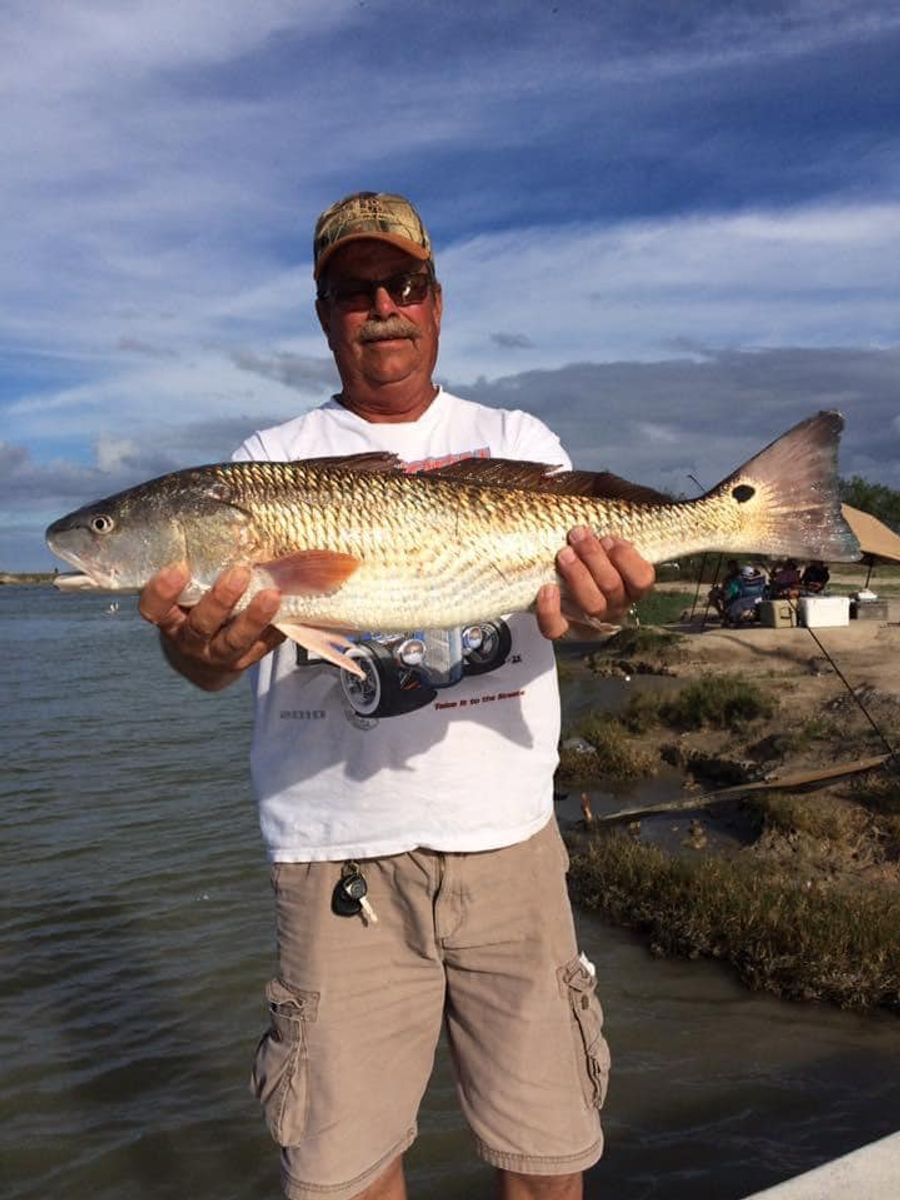
Redfish, trout and flounder are the species this guide targets, and together they make a good introduction to the bays. Each one fishes a little differently, which keeps a day on the water from feeling repetitive.
- Redfish: a favorite on the shallow flats, where they feed close to the bottom and put up a strong fight for their size.
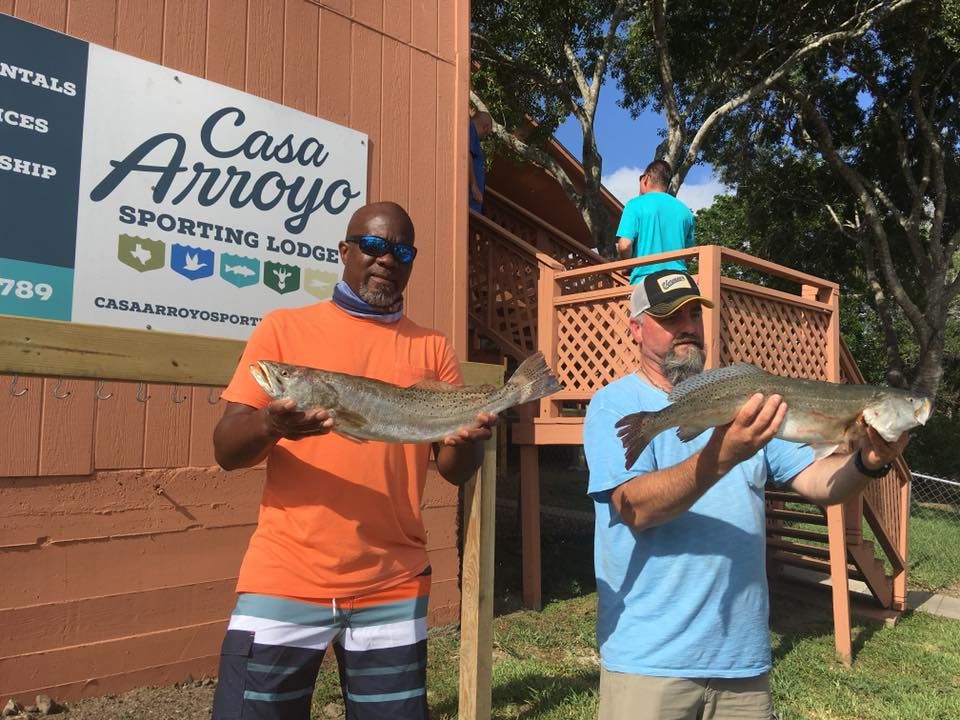
- Trout: a classic bay target that gives you something to work for as you learn to read the water.
- Flounder: a bottom-hugging fish that rewards patience and a careful presentation.
Having three targets in play is a real advantage for a beginner. If one species is quiet, another may be willing. Captain Burt offers trips built around that idea, where you explore new water, switch targets, and follow the bite through the day. For someone new to the area, that flexibility counts for more than a single fixed plan.
What a Guided Trip Adds for a Newcomer
The biggest thing a guide adds is time. Time you would otherwise spend learning the water, finding fish, and working out why nothing is biting. On a guided trip, that work is done before you make your first cast, and your day is spent fishing instead of searching.
A guide also teaches as the day goes on. Captain Burt offers a trip aimed at young anglers that covers how to cast, hook, and work the South Texas flats, and the same patient approach applies to adults who are starting from scratch. Nobody expects you to know how the bay works before you step on the boat.
Then there is the simple matter of confidence. Fishing a new bay alone means a lot of guessing about depth, tide and where to be. With a captain at the helm, you can focus on the part you came for, which is catching fish and enjoying the water. If you are on a Texas vacation and want one day of it to be memorable, a Texas fishing charter is a sensible way to spend it.
Choosing a Trip That Fits You
Dos Gringos lists several inshore trips, and they suit different kinds of anglers. One focuses on Rio Hondo's skinny water for redfish, flounder and more. Another works the South Texas bays and flats for redfish, trout and flounder. A third is built for exploring new water and switching targets, and another is designed for young anglers who are just learning.
If you are brand new, think about what you want out of the day. A calm introduction to the flats suits someone who wants to learn at an easy pace. An all-day, follow-the-bite trip suits someone who wants to see more of the bay and does not mind the extra time on the water. Either way, tell Captain Burt your experience level when you reach out, so he can set the day up around it.
The bays of South Texas reward people who show up curious. You do not need to know the names of every flat or the habits of every fish. You need a willingness to listen, cast, and learn from a captain who has spent a lifetime doing this. That is how most good anglers start, and it is a fine way to begin your own.